Nature Communications · 2026
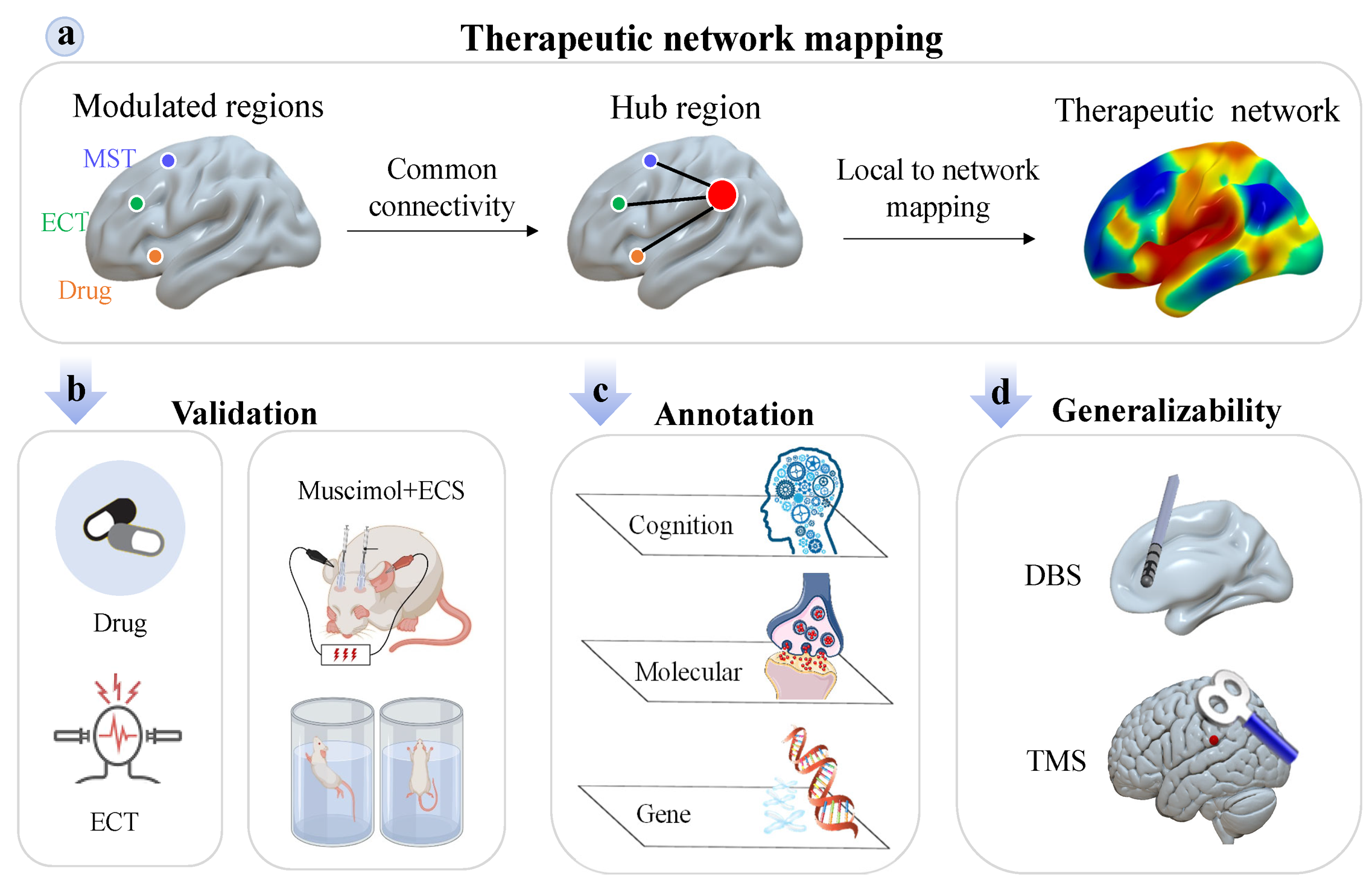
Distinct antidepressant therapies act on a common brain network
Gong-Jun Ji*, Wenqiang Xu*, Juan Zhang*, Qianqian Li*, et al. Accepted.
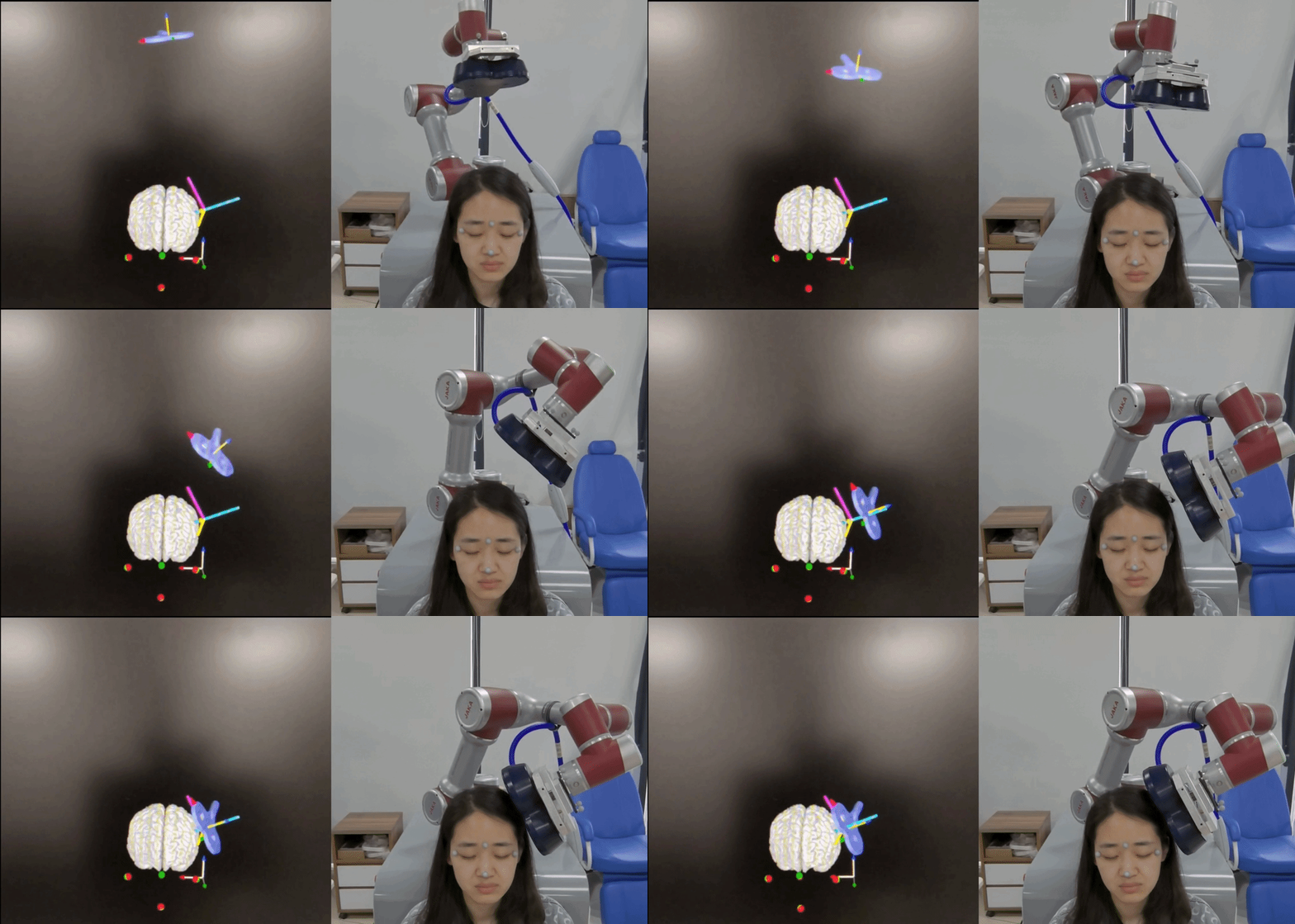
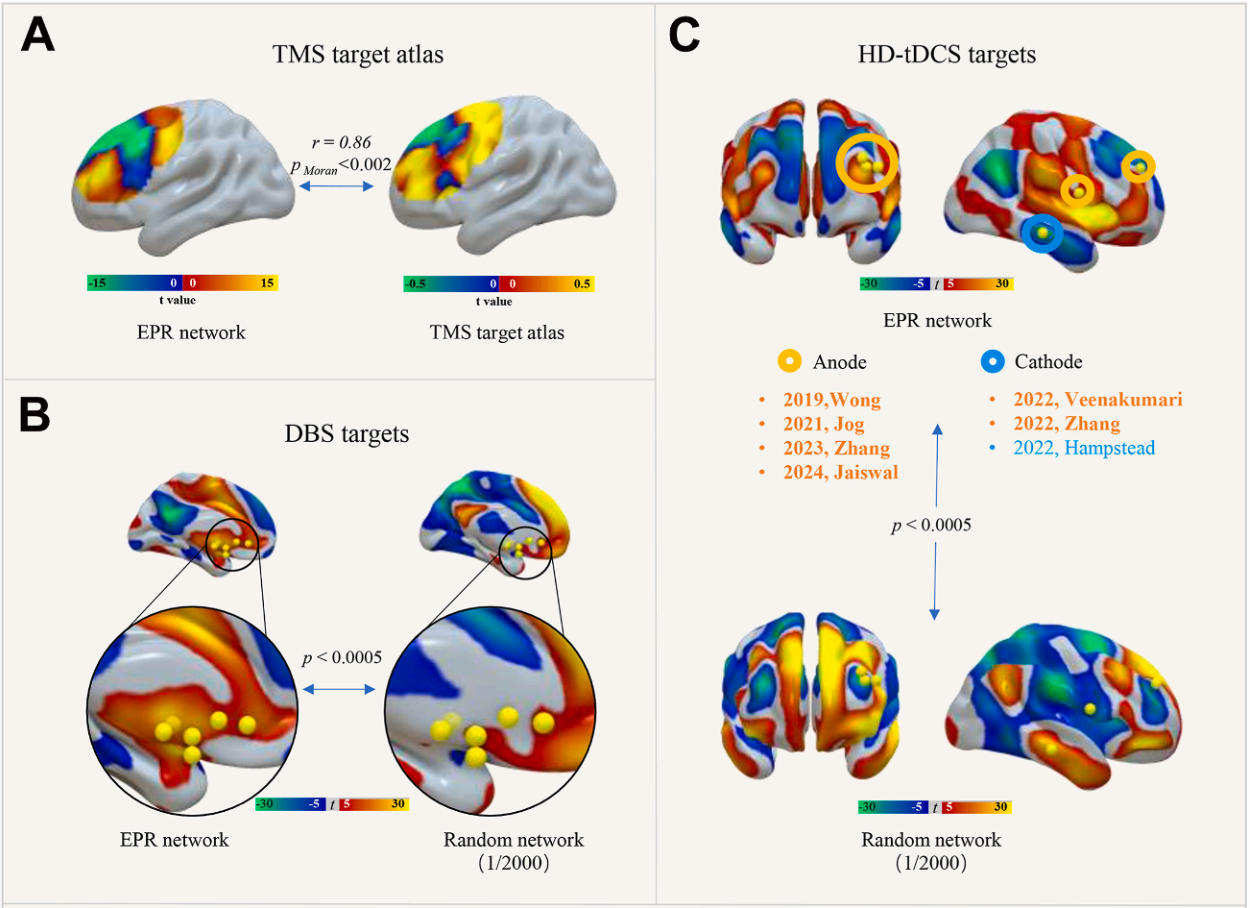
The Ji Laboratory integrates multimodal MRI, white matter functional imaging, brain connectomics, and personalized non-invasive neuromodulation to understand abnormal psychology and brain disorders.
Cognitive neuroscientist and clinician-scientist focused on translational neuroimaging, abnormal psychology, and network-guided brain stimulation.
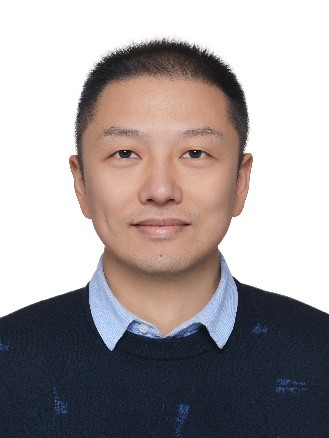
Professor Ji's research expertise lies in using multimodal magnetic resonance imaging (MRI) and transcranial magnetic stimulation (TMS) to unravel the neural mechanisms underlying abnormal psychological states. He is a trailblazer in white matter fMRI research, having developed novel analytical techniques and theoretical frameworks for personalized neuromodulation. His work has been published in top-tier international journals, including Nature Mental Health (2023), Nature Communications (2025, 2026), JAMA Network Open (2024), Biological Psychiatry (2026), Molecular Psychiatry (2026), Science Bulletin (2017, 2025), Radiology (2014, 2017, 2018), and Brain Stimulation (2020, 2021, 2022, 2024). Beyond empirical research, Professor Ji has developed two innovative software tools: TMStarget, a TMS navigation platform available via the free cloud service yun.unistim.cn, and WhiteMatterSF, a specialized analysis package for white matter fMRI data, both of which are widely used by researchers globally.
A collaborative team of clinicians, neuroscientists, engineers, students, and research staff.
Principal Investigator

Postdoctoral Researcher
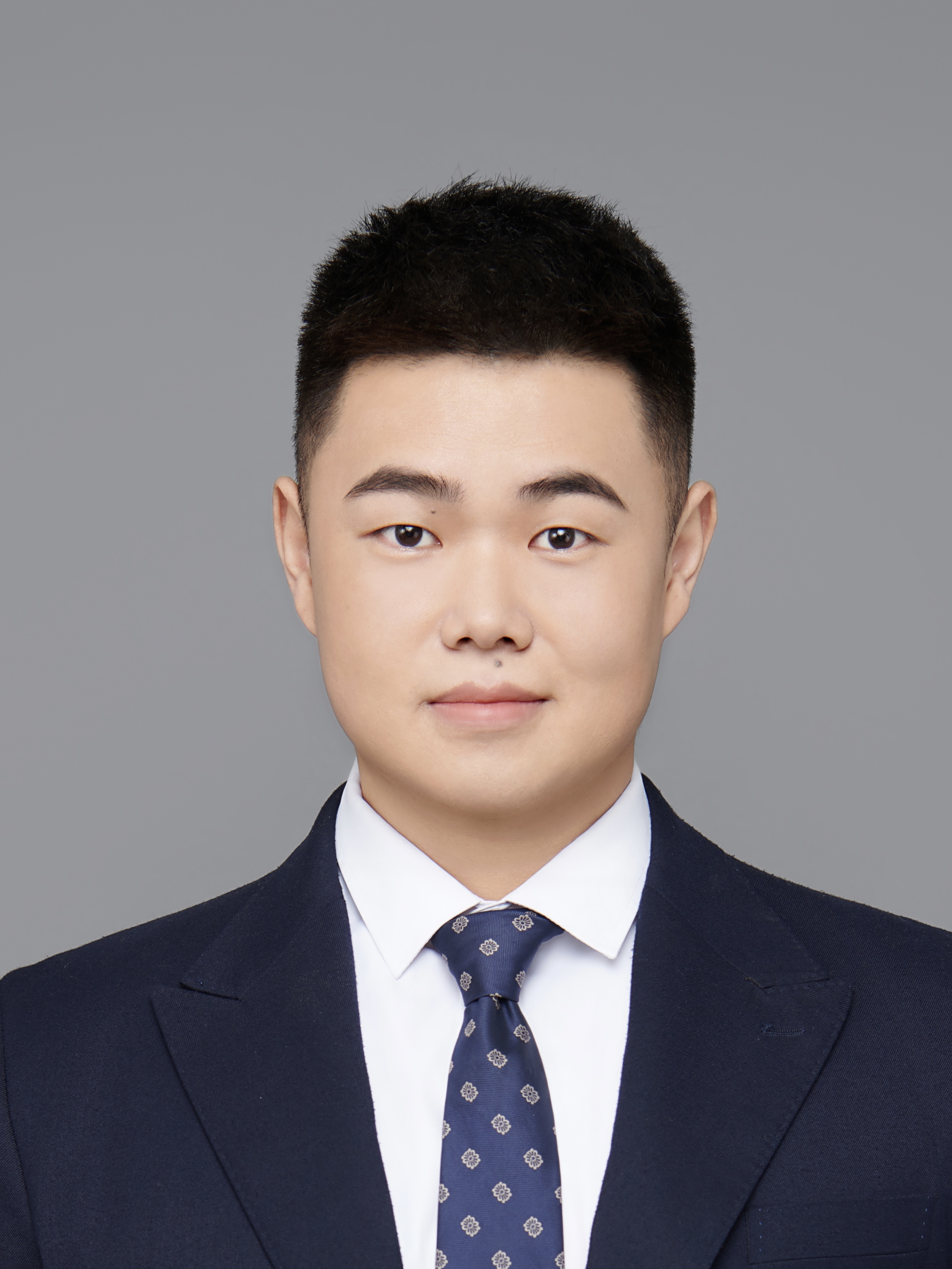
Postdoctoral Researcher

PhD Student
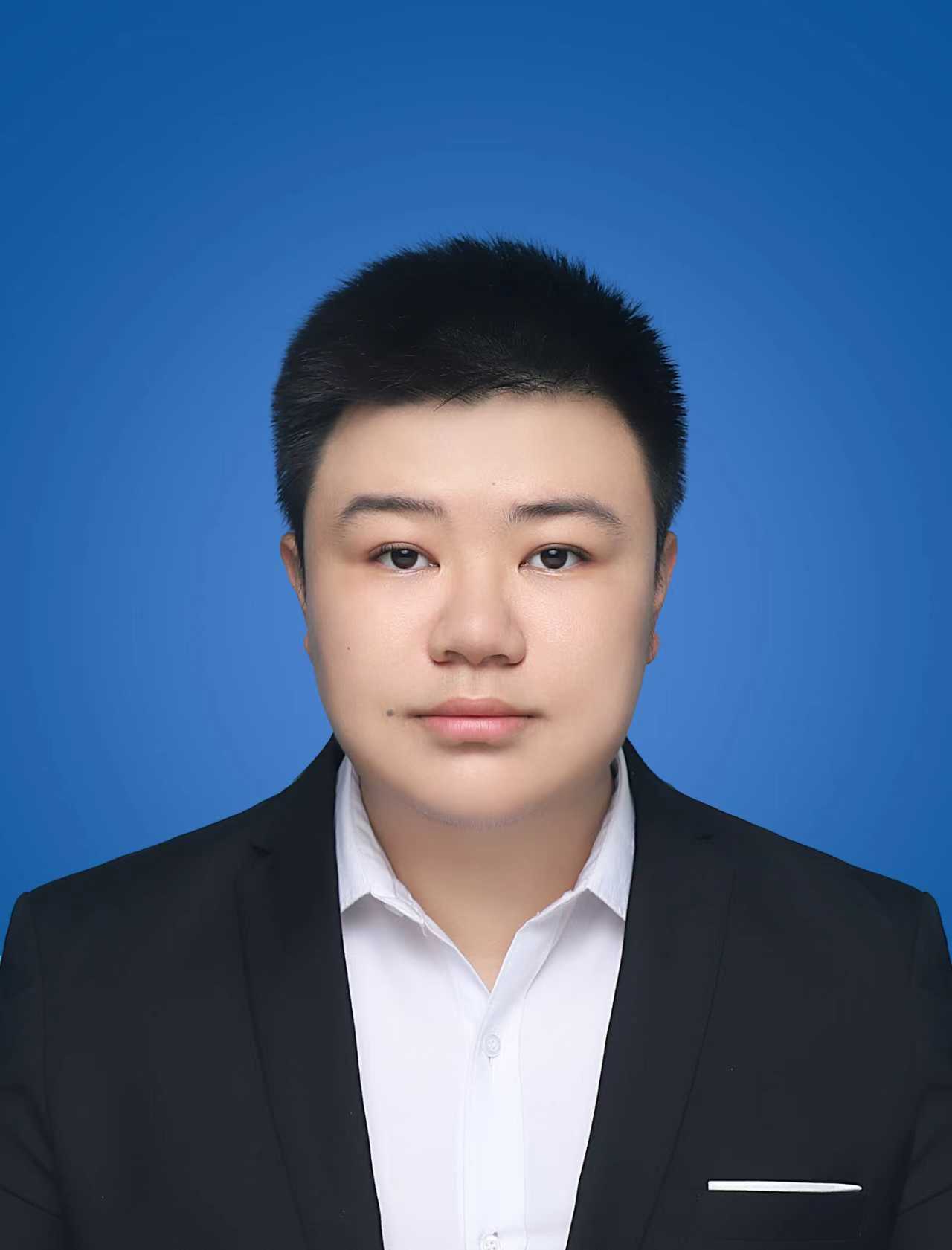
PhD Student
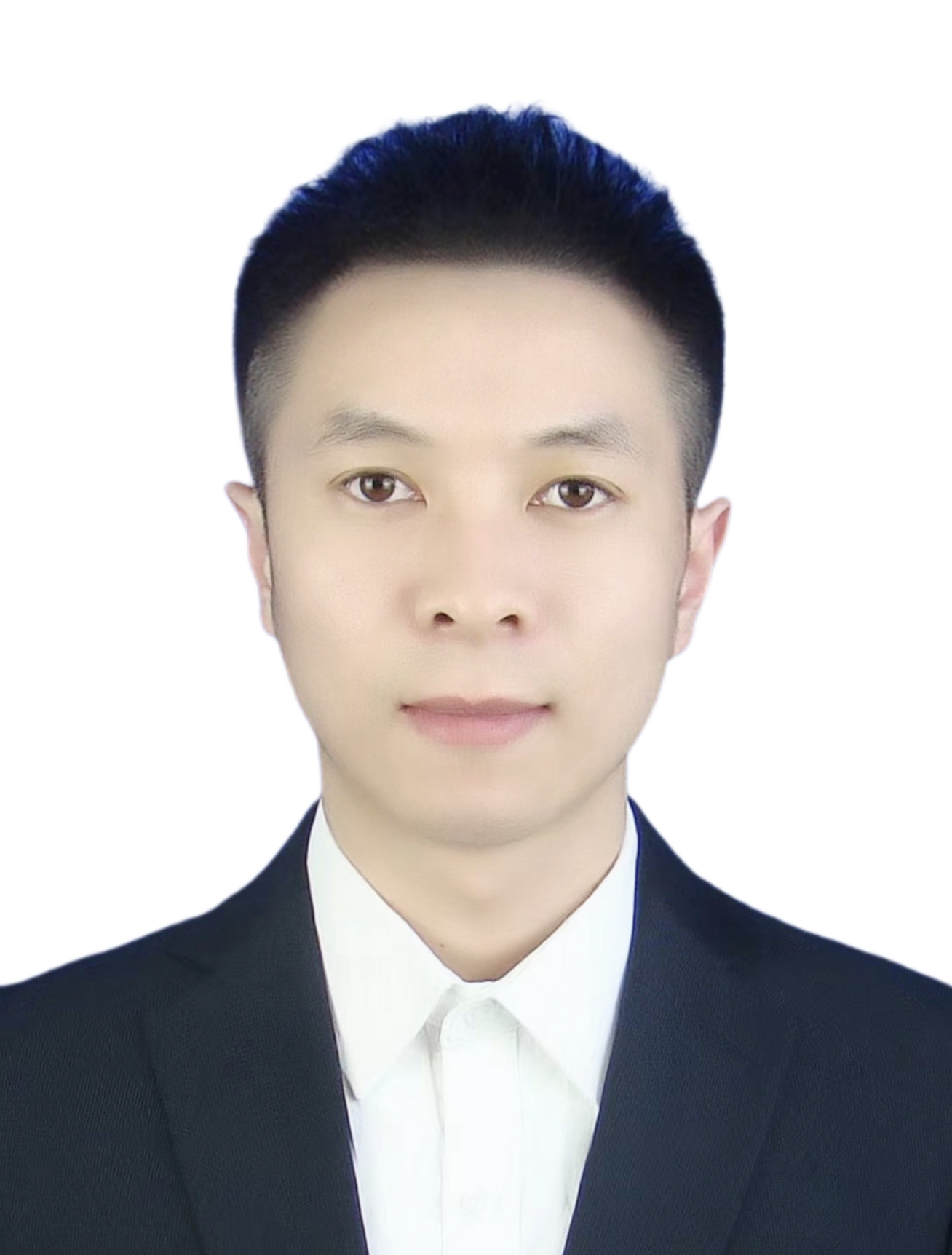
Master Student
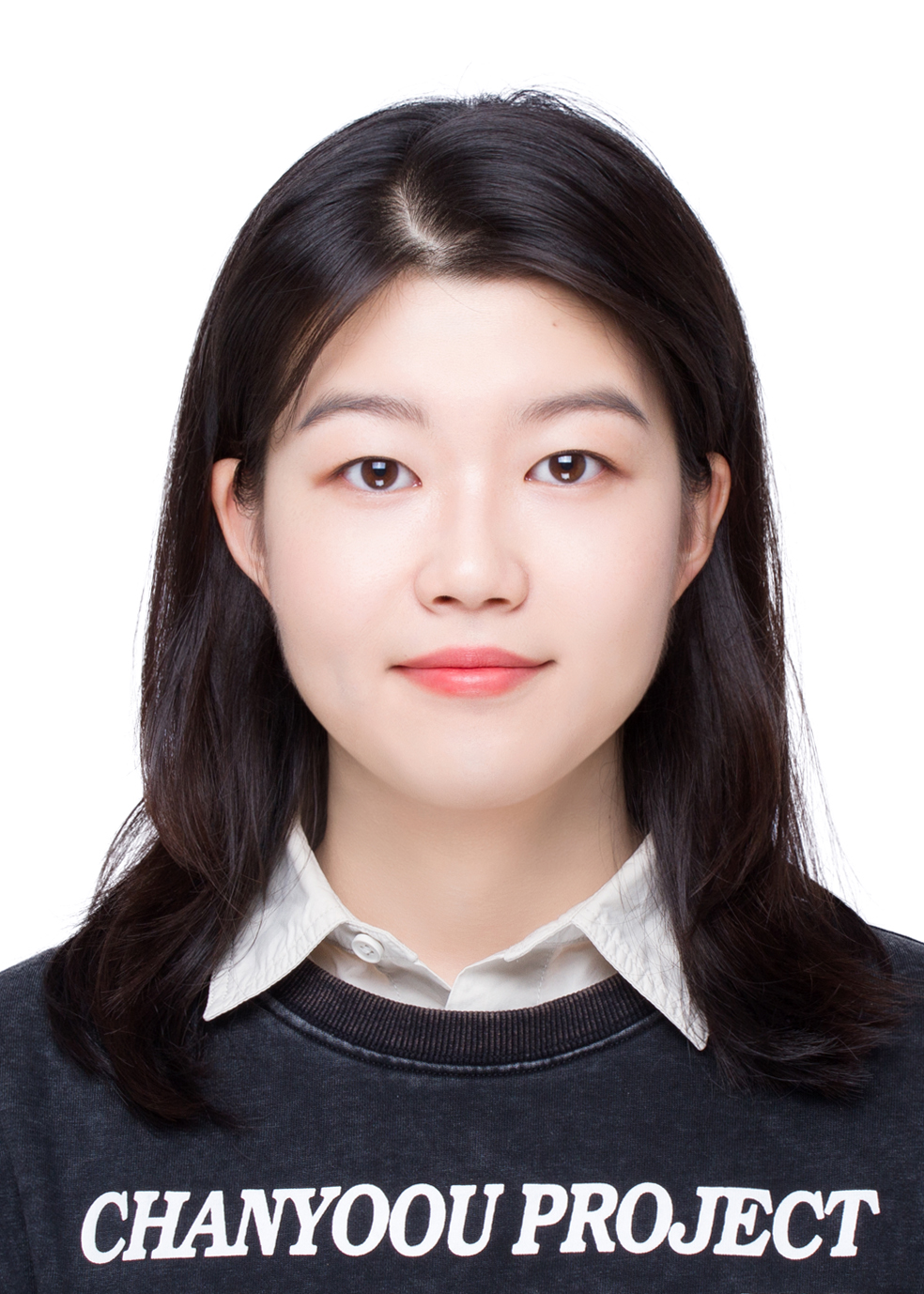
Master Student

Master Student
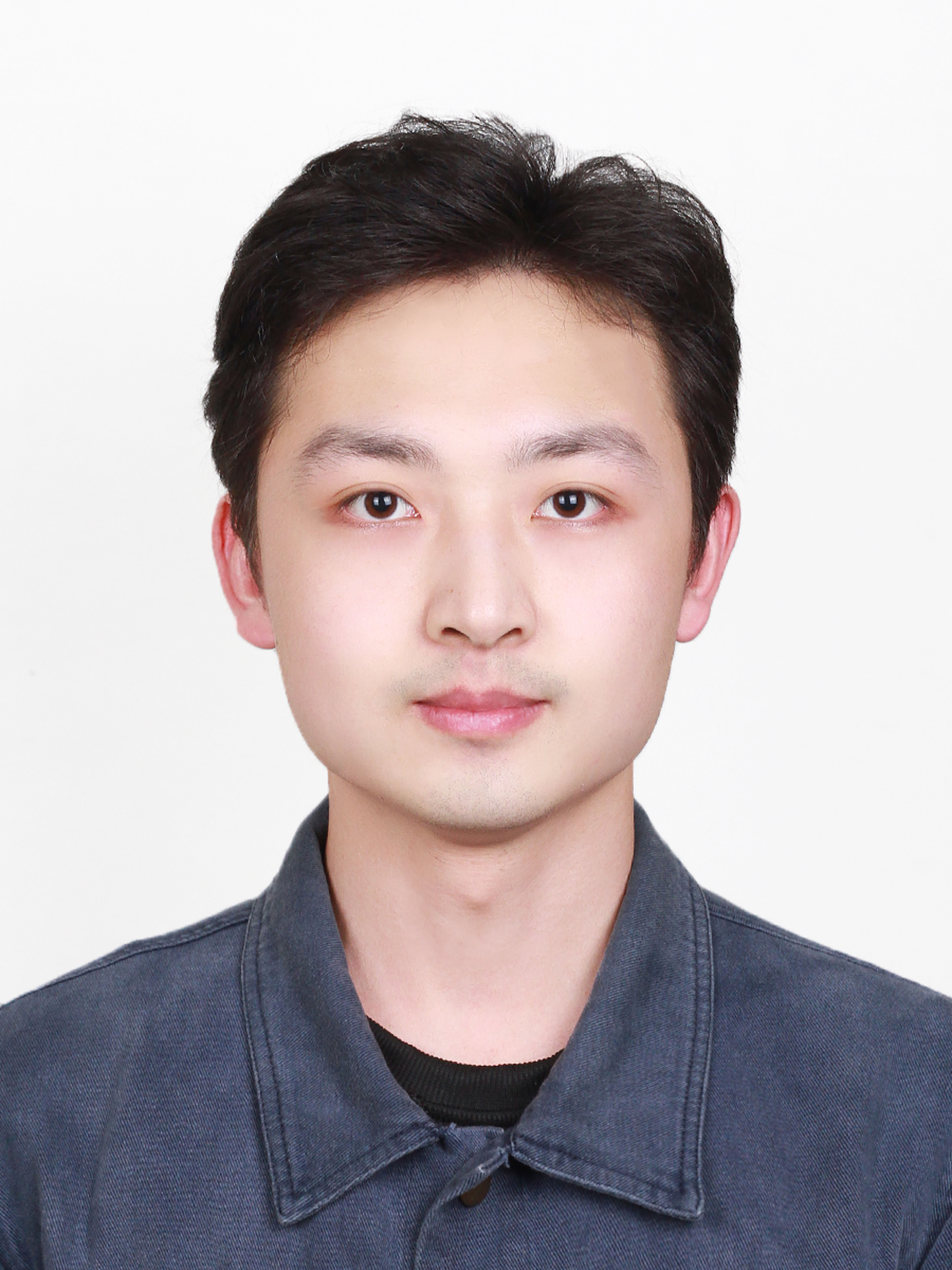
Master Student
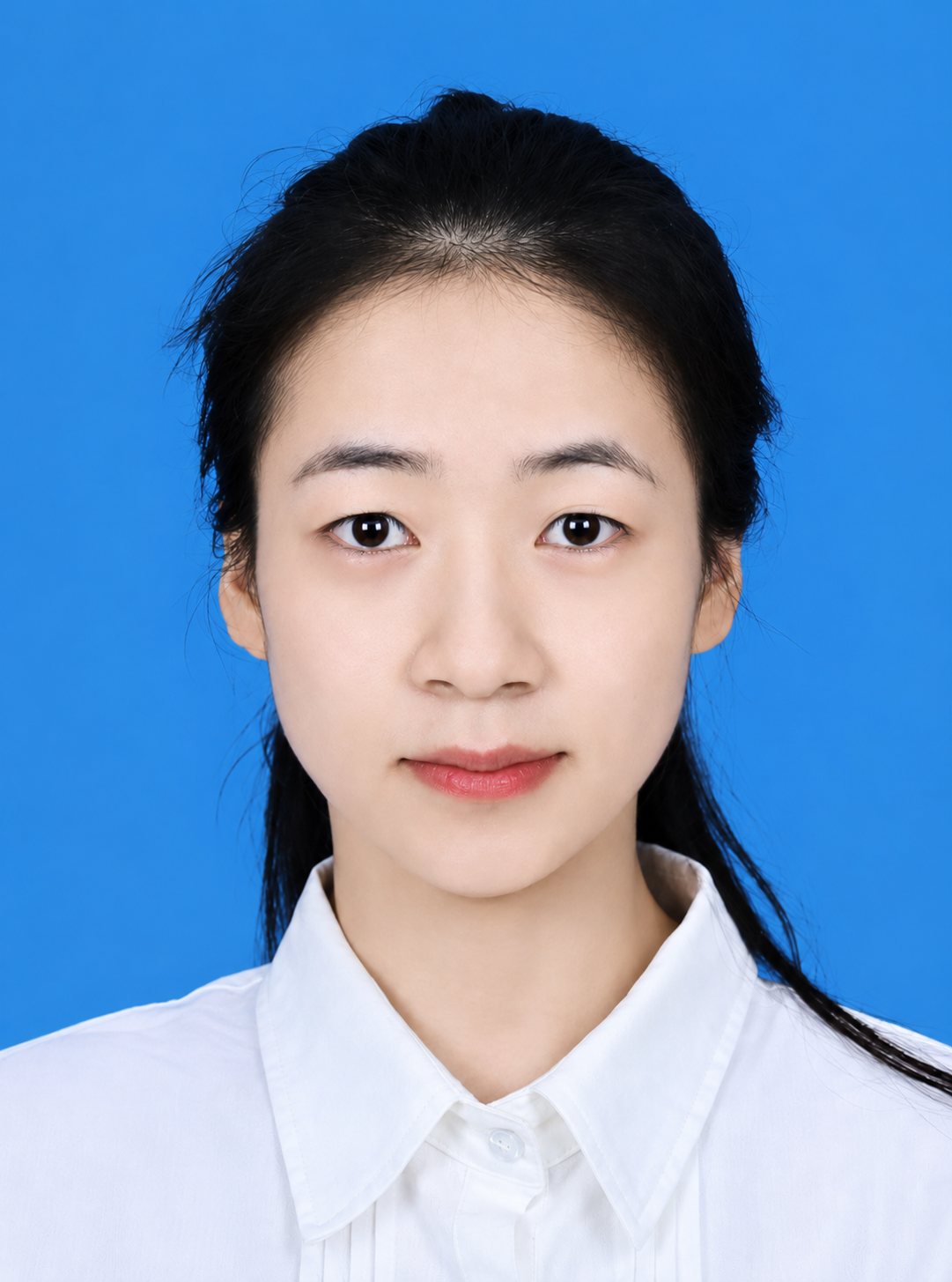
Master Student

Master Student
We combine neuroimaging, network neuroscience, computational modeling, and clinical translation to study the biological basis of abnormal psychological states and brain disorders.
Developing analytical methods and theoretical frameworks for imaging functional activity and connectivity in human brain white matter.
Mapping functional and structural connectomes to reveal network mechanisms underlying cognition, behavior, and psychiatric symptoms.
Building patient-specific targeting strategies for repetitive transcranial magnetic stimulation using individual brain networks and clinical phenotypes.
Applying machine learning and computational modeling to discover imaging biomarkers and support precision diagnosis and treatment.
The laboratory develops practical research tools that support personalized TMS navigation and specialized white matter fMRI analysis.
A personalized TMS navigation platform designed to support individualized target localization and network-guided neuromodulation. The platform is available through the free cloud service yun.unistim.cn.
A specialized analysis package for white matter fMRI data, supporting researchers who study functional signals, connectivity patterns, and network organization in white matter.
Publications span high-impact neuroscience, psychiatry, radiology, brain stimulation, and computational neuroimaging journals.
Gong-Jun Ji*, Wenqiang Xu*, Juan Zhang*, Qianqian Li*, et al. Accepted.
Guozheng Feng, Kexin Wang, Yichen Wang, Guolin Ma, Jian Cheng, Vince D. Calhoun, Kai Wang, Gong-Jun Ji#, Ni Shu#.
Yueling Liu*, Wenqiang Xu*, Xiya Zhao*, et al.; Gong-Jun Ji#.
Gong-Jun Ji*, Michael D. Fox*, Mae Morton-Dutton, et al.
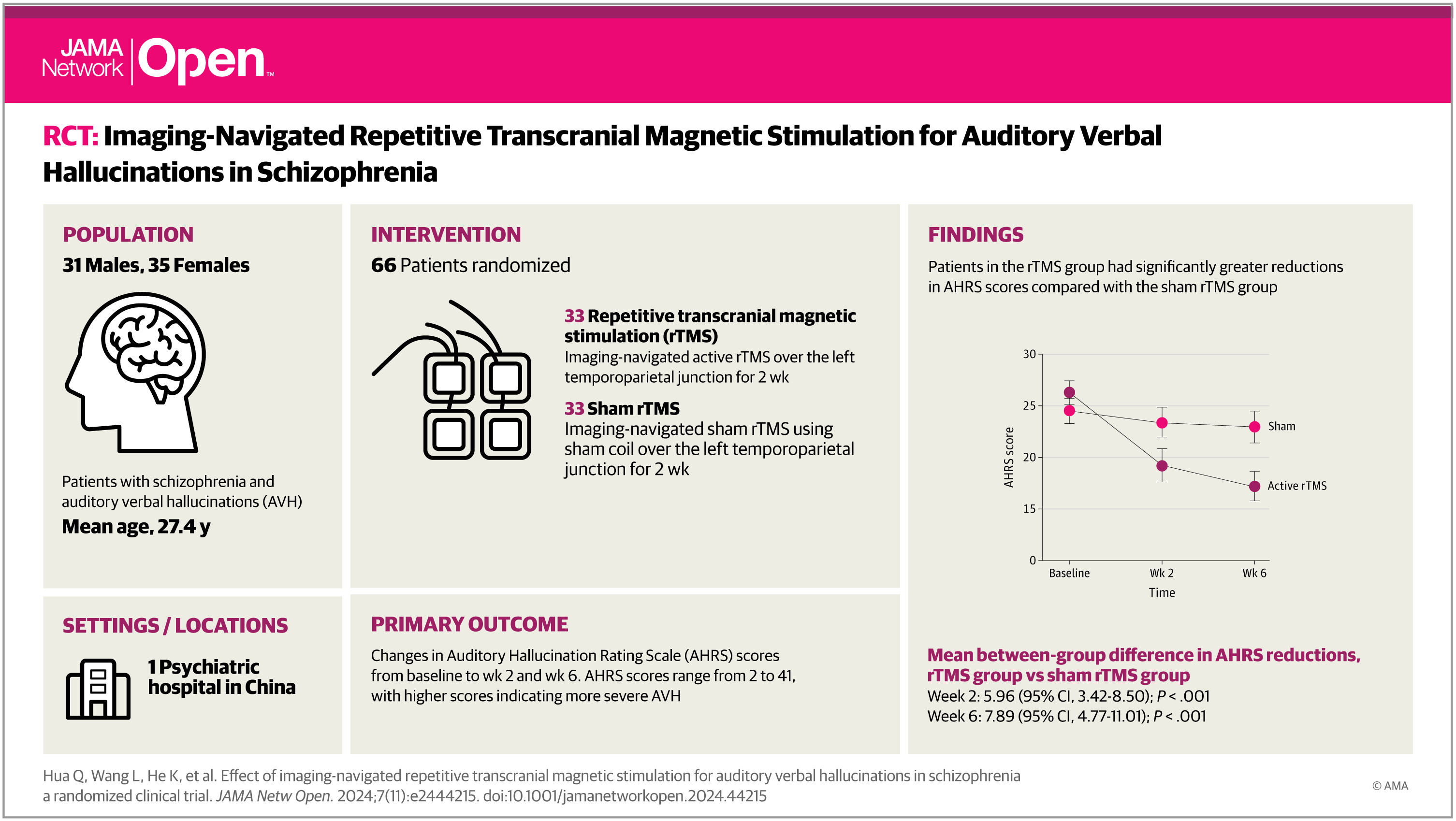
Qiang Hua, Lu Wang, Kongliang He, Jinmei Sun, Wenqiang Xu, et al.
Gong-Jun Ji#, Jinmei Sun#, Qiang Hua, Li Zhang, Ting Zhang, et al.
Gong-Jun Ji, Zaixu Cui, Ryan C.N. D'Arcy, Wei Liao, Bharat Biswal, Qing Zhang, et al.
Jinmei Sun#, Xin Chen#, Jinying Han, Mengqi Wang, Ziye Zhao, Lili Hu, Gong-Jun Ji*, Kai Wang*, Panpan Hu*.
The laboratory has received continuous support from the National Natural Science Foundation of China.
NSFC 82371507
Personalized pathological feature-guided brain network mechanism and rTMS for schizophrenia.
Total cost: ¥490,000
NSFC 81971689
Network mechanism of auditory verbal hallucination and repetitive TMS treatment.
Total cost: ¥550,000
NSFC 81401400
Pathophysiology mechanism of memory impairment in children with Rolandic epilepsy.
Total cost: ¥230,000
Replace these placeholder items with your laboratory news, awards, publications, conferences, and student achievements.
Work on common brain networks of antidepressant therapies accepted by Nature Communications.
Prof. Ji recognized with the Research.com Rising Star of Science Award.
Perspective on imaging brain white matter function using resting-state fMRI published in Science Bulletin.
We are looking for students, postdoctoral researchers, clinicians, engineers, and collaborators interested in brain imaging, BOLD signals, white matter fMRI, connectomics, TMS, and computational psychiatry.